

Japan Student Visa Processing from Nepal: A Complete Guide for Nepali Students
1. Introduction: Why Japan Is a Popular Study Destination for Nepali Students
Japan has become one of the most preferred destinations for Nepali students seeking quality education, international exposure, and better career opportunities. Every year, thousands of students from Nepal choose Japanese language schools, vocational colleges, and universities because Japan offers an excellent combination of academic excellence, technological innovation, cultural richness, and employment opportunities. Compared to many Western countries, studying in Japan can also be more affordable, especially when students take advantage of scholarships and part-time work opportunities. In addition, Japan’s safe environment, efficient public transportation, and globally respected education system make it an attractive destination for young people who wish to build an international career.
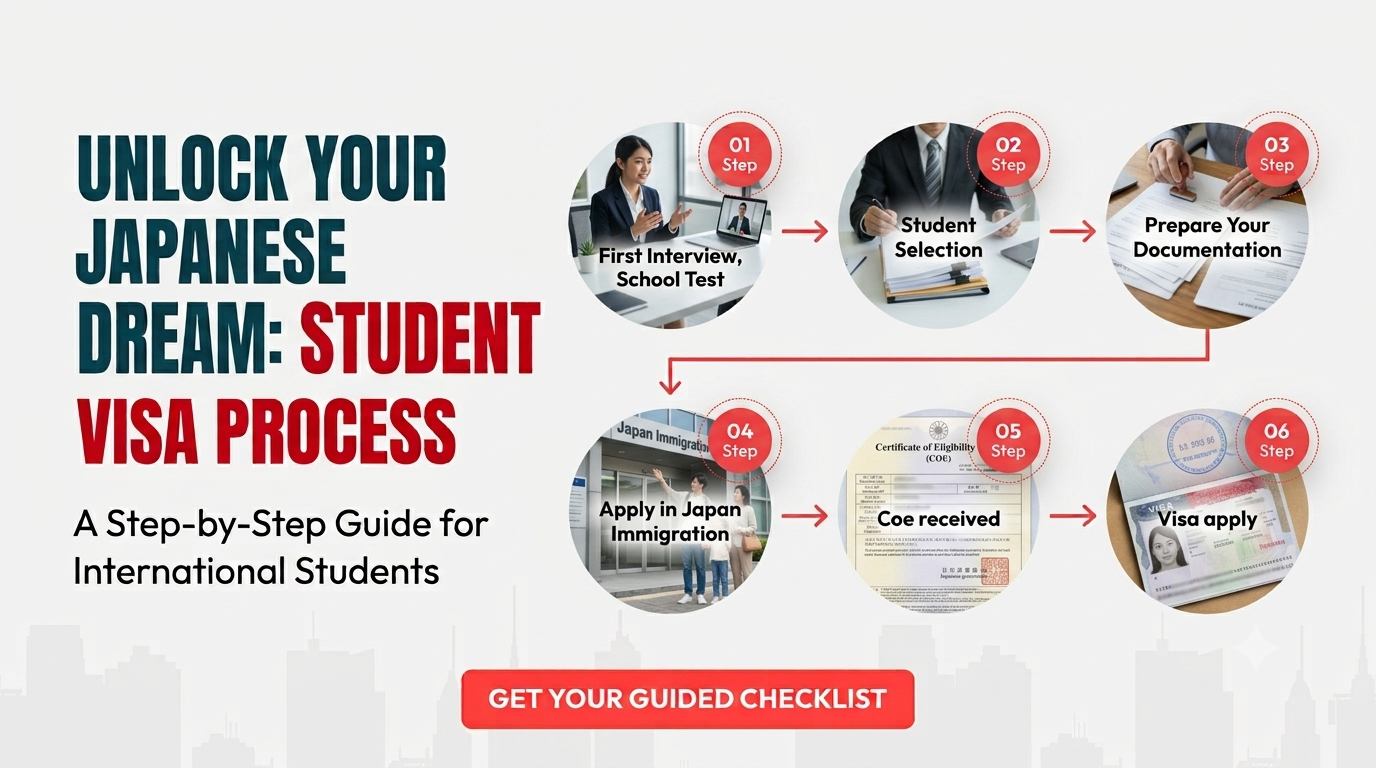
Before a student can begin studying in Japan, obtaining a student visa is one of the most important steps. Although the application process may seem complicated at first, it becomes much easier when students understand each stage and prepare their documents carefully. The process starts with securing admission to a recognized educational institution in Japan. Once accepted, the institution generally applies for the Certificate of Eligibility (COE) on the student’s behalf. After the COE is issued, students can submit their visa application through the authorized visa application process in Nepal. If all documents are complete and accurate, the visa is often processed within a few working days after submission. However, preparation for admission, document verification, and COE approval can take several months, making early planning essential.
Many applicants worry that obtaining a Japan student visa is extremely difficult. In reality, the success of an application depends largely on preparation, honesty, and complete documentation. Japanese immigration authorities carefully examine whether applicants genuinely intend to study, whether they have sufficient financial support, and whether the educational institution is properly recognized. Students who submit accurate documents and follow official instructions generally have a smooth application experience. Understanding the entire process before applying helps reduce stress and allows students to avoid common mistakes that can delay or negatively affect their application.
This comprehensive guide explains every major aspect of Japan student visa processing from Nepal. It covers eligibility requirements, the Certificate of Eligibility, required documents, the application procedure, processing times, costs, common mistakes, and practical tips for improving the chances of approval. Whether you plan to join a Japanese language school, a vocational institute, or a university, this guide will help you prepare confidently for your educational journey.
2. Benefits of Studying in Japan and Choosing a Student Visa
Studying in Japan offers far more than earning a degree or learning a new language. It provides students with an opportunity to experience one of the world’s most advanced economies while developing valuable academic, professional, and personal skills. Japanese educational institutions are internationally respected for their high academic standards, practical learning approaches, and strong connections with industry. Students gain access to modern laboratories, advanced research facilities, experienced faculty members, and innovative teaching methods that prepare them for global careers. Degrees and qualifications earned in Japan are recognized by employers and universities around the world, making graduates highly competitive in the international job market.
One of the biggest advantages for Nepali students is the opportunity to work part-time while studying, subject to immigration rules and appropriate permission. Many students take part-time jobs in restaurants, convenience stores, supermarkets, hotels, factories, or offices to help cover living expenses and gain valuable work experience. These jobs also improve communication skills, build confidence, and allow students to interact with local communities. While part-time work should never interfere with studies, it can significantly reduce financial pressure and help students become more independent.
Japan also offers numerous scholarships through universities, private organizations, and government-supported programs. These scholarships may cover tuition fees, living expenses, or both, depending on the student’s qualifications and academic performance. Students who maintain good grades and actively participate in their studies often have opportunities to apply for additional financial assistance after arriving in Japan. Furthermore, graduates from Japanese institutions may qualify for employment opportunities within Japan, especially in sectors experiencing labor shortages, including information technology, engineering, healthcare, hospitality, manufacturing, and international business.
Living in Japan provides cultural experiences that extend beyond the classroom. Students learn punctuality, discipline, teamwork, and respect for diversity while experiencing Japanese traditions, festivals, cuisine, and everyday life. They develop independence by managing finances, balancing studies with work, and adapting to a new environment. These experiences contribute to personal growth and enhance future career prospects.
Choosing a Japan student visa is therefore not simply about entering another country—it is an investment in education, professional development, and international experience. Students who prepare carefully, follow immigration requirements, and remain committed to their academic goals often find that studying in Japan opens doors to lifelong opportunities. With proper planning and a clear understanding of the visa process, Nepali students can confidently begin their journey toward achieving their educational and career aspirations in one of Asia’s most dynamic and respected nations.
3. Eligibility Criteria for a Japan Student Visa
Before applying for a Japan student visa, every Nepali student must meet specific eligibility requirements established by the Japanese Immigration Services Agency and the educational institution they plan to attend. Understanding these requirements in advance helps applicants prepare the necessary documents and avoid unnecessary delays. Although the exact requirements may vary depending on the type of institution—such as a language school, vocational college, undergraduate university, or graduate program—there are several common criteria that every applicant must satisfy.
The first requirement is obtaining admission to a recognized Japanese educational institution. Students cannot apply for a student visa without first receiving an official admission offer from a school or university authorized to accept international students. Therefore, applicants should carefully research institutions, compare courses, tuition fees, and locations, and choose a program that aligns with their educational and career goals.
Applicants must also demonstrate an appropriate academic background. Educational institutions usually request academic transcripts, certificates, and graduation documents to evaluate whether students meet the academic qualifications for their chosen program. Some universities may also require entrance examinations or proof of English or Japanese language proficiency, depending on the course of study. Japanese language schools may accept beginners, but they often assess the student’s motivation and learning goals before granting admission.
Financial capability is another important requirement. Japanese immigration authorities need assurance that students can pay tuition fees and living expenses during their stay. Applicants usually provide bank statements, income certificates, tax documents, employment verification, or business registration documents from their sponsor. Parents are the most common sponsors, although close relatives may also provide financial support if sufficient evidence is presented. Consistent financial records strengthen the visa application and reduce the likelihood of additional inquiries.
A valid passport, recent passport-sized photographs, and accurately completed application forms are also essential. Students should ensure that all personal information matches across every document, including their passport, educational certificates, financial records, and admission letter. Even small inconsistencies may result in requests for clarification.
Applicants should also have a genuine intention to study in Japan. Immigration officers may assess whether the chosen course matches the student’s educational background and future career plans. A clear study objective and honest documentation significantly improve the chances of visa approval. By meeting these eligibility requirements and preparing thoroughly, Nepali students can begin the visa process with confidence and reduce the risk of unnecessary delays.
4. Certificate of Eligibility (COE): The Most Important Step
The Certificate of Eligibility (COE) is one of the most important documents in the Japan student visa process. Many first-time applicants believe that receiving the COE automatically guarantees a visa, but this is not entirely correct. The COE confirms that Japanese immigration authorities have reviewed the applicant’s eligibility to study in Japan and found that the student generally meets the immigration requirements. However, the final decision to issue the visa is made after the Embassy reviews the complete visa application.
After a student receives admission, the educational institution submits the COE application to the Immigration Services Agency in Japan. Students do not normally apply for the COE themselves. Instead, the institution collects the required documents, verifies their accuracy, and forwards the application on behalf of the student. This process includes reviewing academic qualifications, financial documents, passport information, and other supporting records before submission.
The COE processing period usually takes between one and three months, although the timeline may vary depending on the academic intake, the number of applications being processed, and whether immigration officers request additional information. During this period, students should regularly communicate with their institution and respond promptly if any further documents or explanations are requested. Delayed responses can slow the entire process.
Once the COE is approved, the educational institution sends the original document or an officially accepted digital version to the student in Nepal. The student then prepares the remaining visa documents and submits the complete application through the authorized visa application process. Since the COE has already confirmed many aspects of the applicant’s eligibility, visa processing after submission is generally much faster when all supporting documents are complete.
Students should remember that the COE has a limited validity period. Therefore, they should apply for the visa soon after receiving it to avoid expiration. It is also important to check that all personal details printed on the COE are accurate before submitting the visa application. Any errors should be reported immediately to the educational institution.
The Certificate of Eligibility is often considered the foundation of the Japan student visa process. Careful preparation of financial documents, academic records, and personal information before the institution submits the COE application greatly increases the likelihood of approval. By understanding the importance of this document and cooperating closely with their school, Nepali students can move confidently toward the final stage of obtaining their Japan student visa.
5. Required Documents for Nepali Applicants Applying for a Japan Student Visa
Preparing the correct documents is one of the most important parts of the Japan student visa application process. Japanese immigration authorities carefully review every document to confirm the applicant’s identity, academic background, financial ability, and purpose of travel. A complete and well-organized application helps avoid delays and increases the possibility of a smooth visa process. Applicants should always check the latest requirements from the Embassy of Japan in Nepal and their educational institution because document requirements can change depending on the applicant’s situation.
The first and most essential document is a valid passport. The passport should have sufficient validity and enough blank pages for visa processing and future travel. Applicants also need a completed Japan visa application form with accurate personal information. Mistakes in the application form, such as incorrect names, dates, or passport details, may create unnecessary problems. Recent passport-size photographs according to Japanese visa specifications are also required.
The Certificate of Eligibility (COE) is another major requirement for student visa applicants. This document is normally issued by Japanese immigration authorities after the educational institution in Japan applies on behalf of the student. A copy of the COE is generally submitted with the visa application along with other supporting documents.
Students must also provide proof of admission from their Japanese educational institution. This may include an admission letter, enrollment certificate, or confirmation document issued by the school or university. These documents show that the applicant has a genuine purpose for entering Japan and intends to continue education there.
Academic documents are equally important. Applicants usually submit educational certificates and transcripts from their previous studies, such as SEE, +2, bachelor’s degree certificates, and academic mark sheets where applicable. These documents help demonstrate the student’s educational history and eligibility for the selected course. If required, applicants may need to provide translated versions of documents in English or Japanese.
Financial documents play a significant role in the visa evaluation process. Students must demonstrate that they have enough financial support to cover tuition fees and living expenses in Japan. Common financial documents include bank statements, income verification documents, employment certificates of sponsors, tax records, or business-related documents. The sponsor is usually a parent or close family member, but the relationship and source of funds should be clearly explained.
Applicants may also need additional documents depending on their individual circumstances. These can include language certificates, study plans, previous visa records, or explanation letters. All submitted documents should be original or properly prepared copies according to official instructions. The Embassy of Japan in Nepal notes that incomplete applications may not be accepted and that documents must be prepared according to the required procedures.
Organizing documents carefully before submission is highly recommended. Students should prepare multiple copies, check that all information matches across documents, and keep personal copies for future reference. A complete and accurate document package demonstrates responsibility and creates a positive impression during the visa review process.
6. Japan Student Visa Application Process in Nepal
After receiving the Certificate of Eligibility and preparing all necessary documents, Nepali students can begin the final stage of the Japan student visa application process. The procedure requires careful attention because submitting incomplete information or incorrect documents can cause delays. The application process involves several important steps, from booking an appointment to receiving the final visa decision.
The first step is confirming the visa submission procedure. For applicants in Nepal, Japan visa application services are handled through the authorized visa application system operated by VFS Global Services Nepal Private Ltd. Applicants are generally required to book an appointment and submit their applications at the designated time.
On the appointment day, students submit their passport, completed visa application form, photographs, Certificate of Eligibility, admission documents, financial records, academic certificates, and other required materials. Staff members review the application package to confirm whether the documents are complete before forwarding it for official assessment. Applicants should bring all required originals and copies as instructed.
After submission, the application is reviewed by the Embassy of Japan. The purpose of this review is to confirm that the applicant meets visa requirements and that the information provided is accurate. In some cases, applicants may be contacted for additional documents or clarification. Students should respond quickly if further information is requested because delays in providing documents can affect processing time.
Although interviews are not required for every applicant, students should always be prepared for possible questions. Visa officers may ask about the student’s educational background, reasons for choosing Japan, selected course, future career plans, and financial arrangements. Applicants should answer honestly and confidently. Having a clear understanding of their study plan helps students present themselves effectively.
The visa processing period can vary depending on the application type and whether additional examination is required. The Embassy of Japan in Nepal states that visa processing usually takes about one week, but some applications requiring careful examination may take significantly longer. Students are advised to apply well before their planned travel date.
Students planning to travel during major intake periods should apply as early as possible. The Embassy has highlighted that student visa applications increase significantly during periods such as March–April and September–November, which can make appointments more crowded.
Once the visa is approved, the passport is returned to the applicant with the student visa attached. Students should carefully check all details on the visa before traveling. They should confirm their name, passport number, visa category, and validity dates. After receiving the visa, students can finalize their travel arrangements and prepare for their new academic life in Japan.
A successful visa application is the result of proper planning, accurate documentation, and timely submission. By following every step carefully, Nepali students can complete the Japan student visa process smoothly and move closer to achieving their goal of studying in Japan.

Leave A Comment